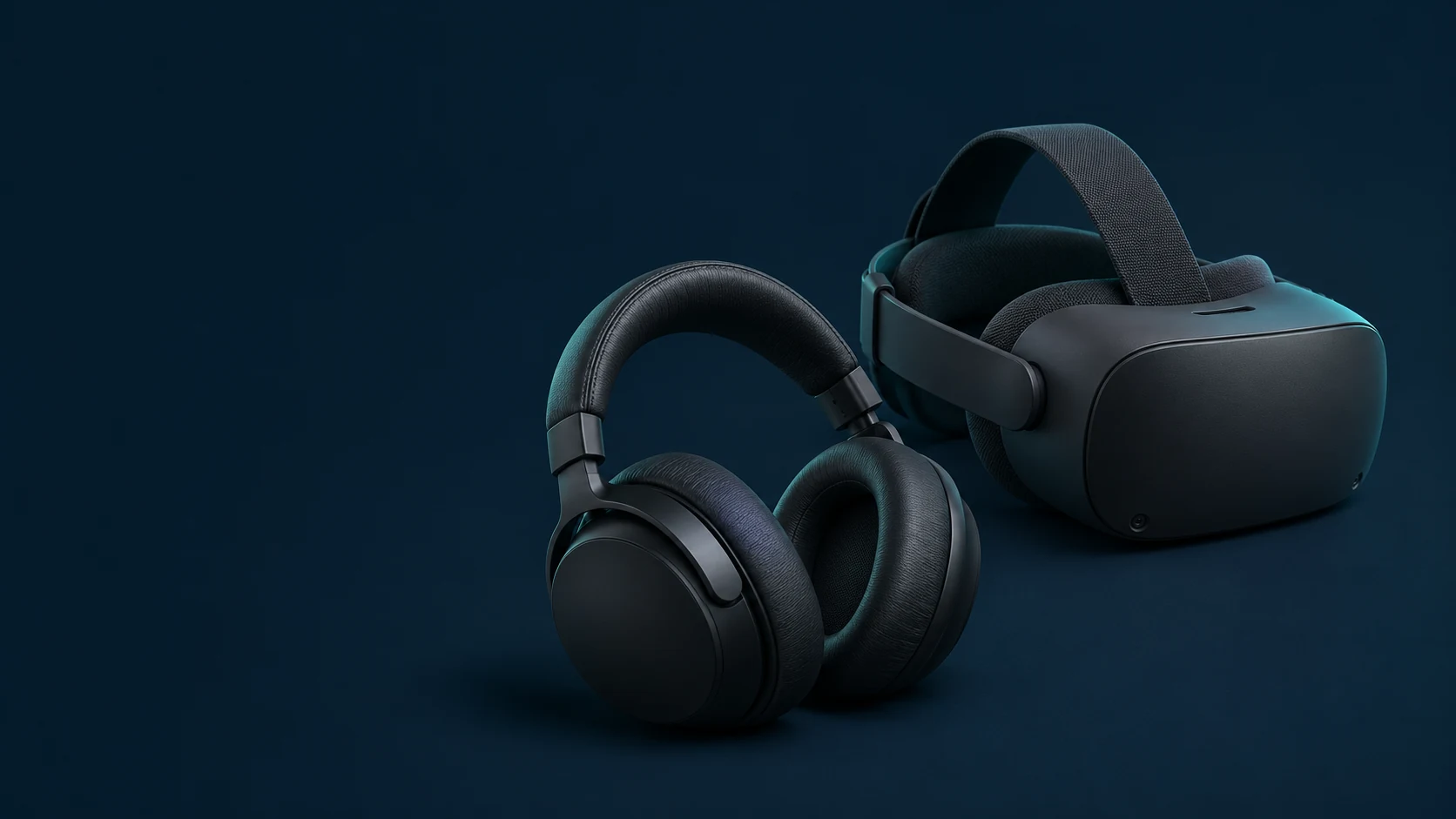
Illustration of an AR/VR headset and over-ear headphones

pliance / Wearable product development

AR/VR headset
pressure mapping

Measure how AR and VR headsets and headphones load the face and head. Flexible pliance sensors help you compare fit, cushioning and contact pressure as you develop your design.

Book a demo Watch the measurements
Illustration of an AR/VR headset and over-ear headphones

01 / Fit and contact

See where your design makes contact.

A headset can feel different when its position, padding or strap adjustment changes. Pressure mapping shows how contact is distributed and where the load is concentrated.

Use these measurements alongside wearer feedback to investigate fit and assess design changes. Pressure data informs comfort assessment; it does not replace the wearer’s experience.

01

AR and VR headsets

Investigate contact around the face and head. Compare padding, support geometry and adjustments to understand how each design distributes pressure.

02

Over-ear headphones

Examine pressure where ear cushions meet the head. Compare fit and cushion designs, and identify concentrated contact that deserves a closer look.

03

Smart glasses and other wearables

Explore contact pressure in smart glasses, helmets and other head-worn products. Discuss the contact areas and test conditions to select a suitable sensor configuration.

02 / Real measurement examples

See pressure distribution in action.

Two examples of pliance in use: pressure mapping at a headset interface and real-time contact measurements in over-ear headphones.

AR and VR headset measurement

Explore the measurement approach for AR and VR headsets, focusing on contact between the device and the face or head.

Watch on YouTube

Headphone pressure mapping in action

Watch pressure distribution in over-ear headphones change in real time. Contact measurements help engineers investigate how cushions and fit distribute the load, alongside the wearer’s feedback.

Watch on YouTube

Sensor arrangement on a rotating head model.

03 / Sensor technology

Flexible sensors for curved contact surfaces.

pliance uses capacitive sensing elements arranged in a matrix to measure pressure distribution. The elastic sensor material conforms to three-dimensional and soft surfaces, allowing contact to be examined at the interface between a wearable device and the head.

Sensor characteristics can be adapted to different measurement needs. The right configuration depends on your device, the areas you want to measure and the conditions of the study.

  • Capacitive sensors in a matrix configuration
  • Flexible, elastic material for curved surfaces
  • Sensor selection matched to the measurement task

Explore the pliance system

04 / From question to measurement

Build a test around your design question.

01

Define the contact areas

Identify the parts of the face or head you want to study. Choose the sensor arrangement and define the fit settings and activities to compare.

02

Record the measurement

Measure contact pressure under the selected conditions. Keep the test procedure consistent and note adjustments or wearer observations that help explain the results.

03

Compare and refine

Review pressure distribution across your test conditions. Use the findings with wearer feedback to decide which design changes to investigate next.

Before you start

A few practical questions.

Does pressure mapping measure comfort?

It measures contact pressure. The results help explain how a device loads the head or face and support comfort assessment when considered alongside wearer feedback.

Which sensor configuration fits my headset?

That depends on the contact geometry, available space and measurement task. Share your device and test requirements so we can discuss a suitable arrangement.

Can I include hand and foot measurements?

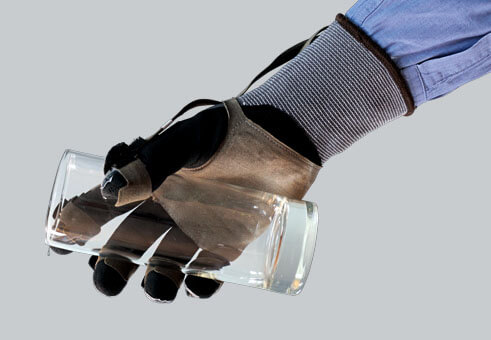
Yes, the study can include complementary systems such as loadsol and pliance glove. Discuss the required recording setup with novel; the configuration depends on your application.

Your next measurement

Tell us what you are designing.

Share your device, contact areas and measurement goals. We will help you choose a sensor configuration for your headset, headphone or wearable study.